We will explore the importance of regular maintenance in keeping your water heater efficient, reliable, and long-lasting. Water heaters are essential components of modern homes, providing consistent hot water for daily use, from showers to dishwashing. Despite their durability, water heaters are susceptible to wear and tear over time, particularly if neglected. Regular maintenance not only helps prevent unexpected breakdowns but also enhances energy efficiency, reduces utility costs, and prolongs the unit’s overall lifespan. By understanding the critical aspects of upkeep, homeowners can make informed decisions that protect their investment and ensure uninterrupted access to hot water for years to come. Proper care can also minimize environmental impact by reducing unnecessary energy consumption and waste associated with prematurely replaced units.
Understanding the Importance of Inspection
Regular inspection is the foundation of maintaining a water heater’s performance and durability. Over time, components such as heating elements, thermostats, and pressure valves can deteriorate due to constant exposure to heat, water, and mineral deposits. Identifying minor issues early prevents them from escalating into significant problems that could require costly repairs or complete replacement. Working with a trusted Summerville Plumber can ensure inspections are thorough and any potential issues are addressed promptly. Inspections typically involve checking the unit for signs of corrosion, leaks, and sediment buildup, all of which can affect water quality and heating efficiency.
Additionally, verifying the functionality of safety mechanisms, such as pressure relief valves, ensures the unit operates safely and reduces the risk of accidents. Homeowners who schedule routine inspections are better equipped to address maintenance needs proactively, rather than waiting for a sudden failure that can disrupt daily life. A well-inspected water heater is more reliable, performs efficiently, and avoids unnecessary strain on its components.
Flushing to Prevent Sediment Buildup
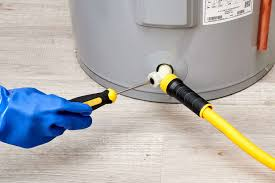
One of the most critical maintenance tasks for water heaters is periodic flushing to remove accumulated sediment. Over time, minerals in the water settle at the bottom of the tank, forming sediment layers that can reduce heating efficiency and cause uneven water temperatures. Sediment buildup forces the heating element to work harder, consuming more energy and potentially shortening its lifespan. Flushing the tank helps restore optimal performance by eliminating these deposits and preventing damage to internal components. The process involves draining a portion or the entire tank and refilling it with fresh water, thereby removing particles that would otherwise compromise efficiency. Homeowners who perform this task regularly notice more consistent water temperatures, lower energy bills, and smoother operation. Ignoring sediment buildup can lead to corrosion, leaks, and eventual failure, making regular flushing essential to prolonging the life of any water heater.
Maintaining Temperature and Pressure Settings
Properly managing temperature and pressure settings is another key factor in extending a water heater’s lifespan. Setting the temperature too high can increase energy consumption and accelerate wear on the unit, while setting it too low may allow bacterial growth in the tank. Most manufacturers recommend maintaining water temperature around 120°F to balance efficiency and safety. Pressure regulation is equally important, as high water pressure can stress the tank and valves, leading to leaks or rupture. Installing a pressure-reducing valve or checking existing plumbing for consistent pressure helps keep the unit within safe operating limits. Adjusting these settings as part of routine maintenance ensures the water heater functions efficiently without unnecessary strain. Homeowners who monitor and regulate these factors not only protect the appliance but also maintain consistent water quality and reduce the likelihood of unexpected repairs.
Checking Anode Rods for Longevity
The anode rod is a crucial component in preventing internal corrosion within a water heater. It is designed to attract corrosive elements in the water, sacrificing itself to protect the tank lining. Over time, the anode rod wears down and becomes less effective, which increases the risk of rust and damage to the tank itself. Regularly inspecting and replacing the anode rod is an important maintenance step that significantly extends the appliance’s lifespan. The process involves removing the rod, examining its condition, and installing a new one if necessary. Homeowners who neglect this task may experience leaks or premature tank failure due to unchecked corrosion. By staying attentive to the condition of the anode rod, the water heater remains protected from internal damage, continues to operate efficiently, and avoids costly replacement. This preventive approach ensures consistent hot water availability and maximizes the investment in the unit.
Regular inspections, tank flushing, temperature and pressure monitoring, and anode rod maintenance all contribute to efficient operation, lower energy consumption, and reduced risk of sudden failure. Water heaters represent a significant household investment, and neglecting their upkeep can result in frequent repairs, higher utility costs, and the inconvenience of interrupted hot water service. Homeowners who adopt a proactive maintenance routine enjoy consistent performance, enhanced safety, and greater confidence in their appliance’s durability. By understanding the essential steps for proper care and implementing them consistently, the lifespan of a water heater can be maximized, providing years of reliable and energy-efficient service while protecting both financial and environmental resources.