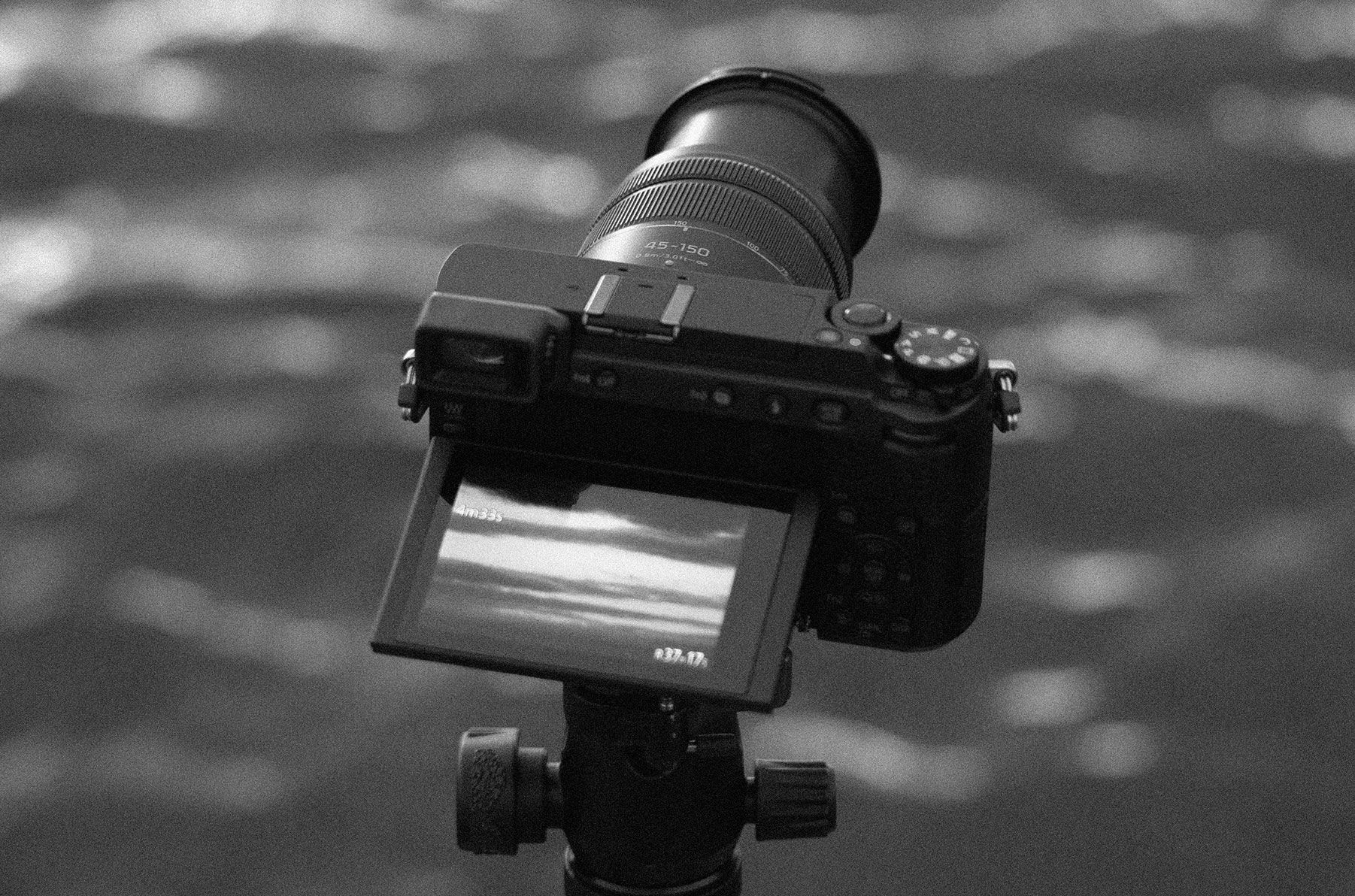
The mirrorless camera did not just improve on the DSLR. It changed how photographers think about shooting, editing, and delivering work. If you want to shop Canon mirrorless cameras online from Georges, you are looking at a technology that now dominates professional photography. According to CIPA data, mirrorless camera shipments overtook DSLR shipments globally in 2021 and have not looked back. The mirror is gone. So is a lot of the friction.
What Exactly Changed When the Mirror Disappeared?
In a DSLR, a physical mirror bounces light into the optical viewfinder. When you shoot, that mirror flips up and the sensor captures the image. It is mechanical, it adds weight, it limits how fast the camera cycles, and it takes space.
Remove the mirror and you get a shorter camera body, a direct electronic viewfinder, and a sensor that is always live. The camera can autofocus faster because it is reading the sensor in real time — not relying on a separate phase detection module.
How Much Faster Is Mirrorless Autofocus?
Significantly. Canon’s Dual Pixel CMOS AF II system, used across their RF mirrorless lineup, covers up to 100% of the frame with autofocus points. The Canon EOS R5 tracks eyes, faces, animals, and vehicles in real time.
Sports photographers who moved from DSLRs to mirrorless systems report dramatically fewer missed focus shots. The Canon R3, for example, offers eye control AF — the camera focuses on whatever you are looking at in the viewfinder. That is not incremental. That is a fundamentally different tool.
Does Mirrorless Really Change How You Edit?
Yes, and this is underappreciated. Because mirrorless cameras shoot with electronic viewfinders, you see exposure, white balance, and depth of field changes in real time before you press the shutter. That means fewer correction shots. Fewer takes. Less time culling in Lightroom.
Photographers working on commercial shoots report that mirrorless systems reduce the number of bracketed exposures they need because the exposure preview is accurate. Fewer frames to review means faster turnaround. In studio environments, that matters commercially.
Is the Video Quality Actually Better?
Not just better — it is in a different category. Canon’s EOS R5 shoots 8K RAW video internally. The R6 Mark II shoots uncropped 4K at 60fps. These are specifications that, five years ago, required a dedicated cinema camera costing three times more.
Hybrid shooters — photographers who also take on video work — have benefited the most. One body handles both disciplines at a professional level. That changes the economics of running a small photography business.
What About Lens Options?
Canon’s RF lens mount has a shorter flange distance and a wider throat than their EF mount. That physical change allowed Canon’s optical engineers to build lenses that were previously impossible — like the RF 28-70mm f/2 and the RF 50mm f/1.2.
By mid-2024, Canon had released over 35 native RF mount lenses, spanning ultra-wide primes to 800mm super-telephoto options. EF lenses also work via the Canon EF-EOS R mount adapter with no autofocus penalty — so the transition from DSLR to mirrorless does not require replacing every lens at once.
Are Mirrorless Cameras Reliable Enough for Professional Work?
The early concerns about battery life and heat were valid. The first generation of mirrorless cameras had real limitations. Canon addressed them systematically. The R5 Mark II, released in 2024, introduced active cooling for sustained 8K video recording — a direct response to the original R5’s overheating issues.
Battery life has improved too. Dual card slots, weather sealing rated to match or exceed most DSLRs, and shutter lifespans rated at 500,000 actuations on some models have removed the professional reliability objections one by one.
Who Should Actually Switch Right Now?
Anyone shooting professionally or semi-professionally who plans to buy new glass has a clear answer: go mirrorless. The RF ecosystem is where Canon is investing its engineering resources. The DSLR line is not being actively developed.
Hobbyists with a full bag of EF glass can wait, use adapters, or make a phased transition. There is no urgency if the current system works. But the next body purchase should almost certainly be an RF mount camera.
The mirrorless shift is not a trend. It is the settled direction of professional photography. The workflow benefits are real, the image quality ceiling is higher, and the technology is mature enough to trust on a paid shoot.