In today’s data-driven world, a pie chart maker is no longer just a basic graph tool—it’s a powerful digital solution designed for fast, interactive, and AI-enhanced data visualization. From startups and SaaS platforms to enterprise dashboards and educational platforms, modern pie chart maker software plays a critical role in transforming raw numbers into meaningful visual insights.
As technology evolves in 2026, data presentation has become just as important as data collection. Businesses rely on intelligent visualization tools to communicate performance, trends, and strategy clearly. A modern pie chart maker integrates with cloud systems, AI analytics engines, automation workflows, and collaborative software—making it far more advanced than the static chart tools of the past.
Let’s explore how it works, why it matters, and how it fits into the future of digital systems.
What Is a Pie Chart Maker in Modern Technology?
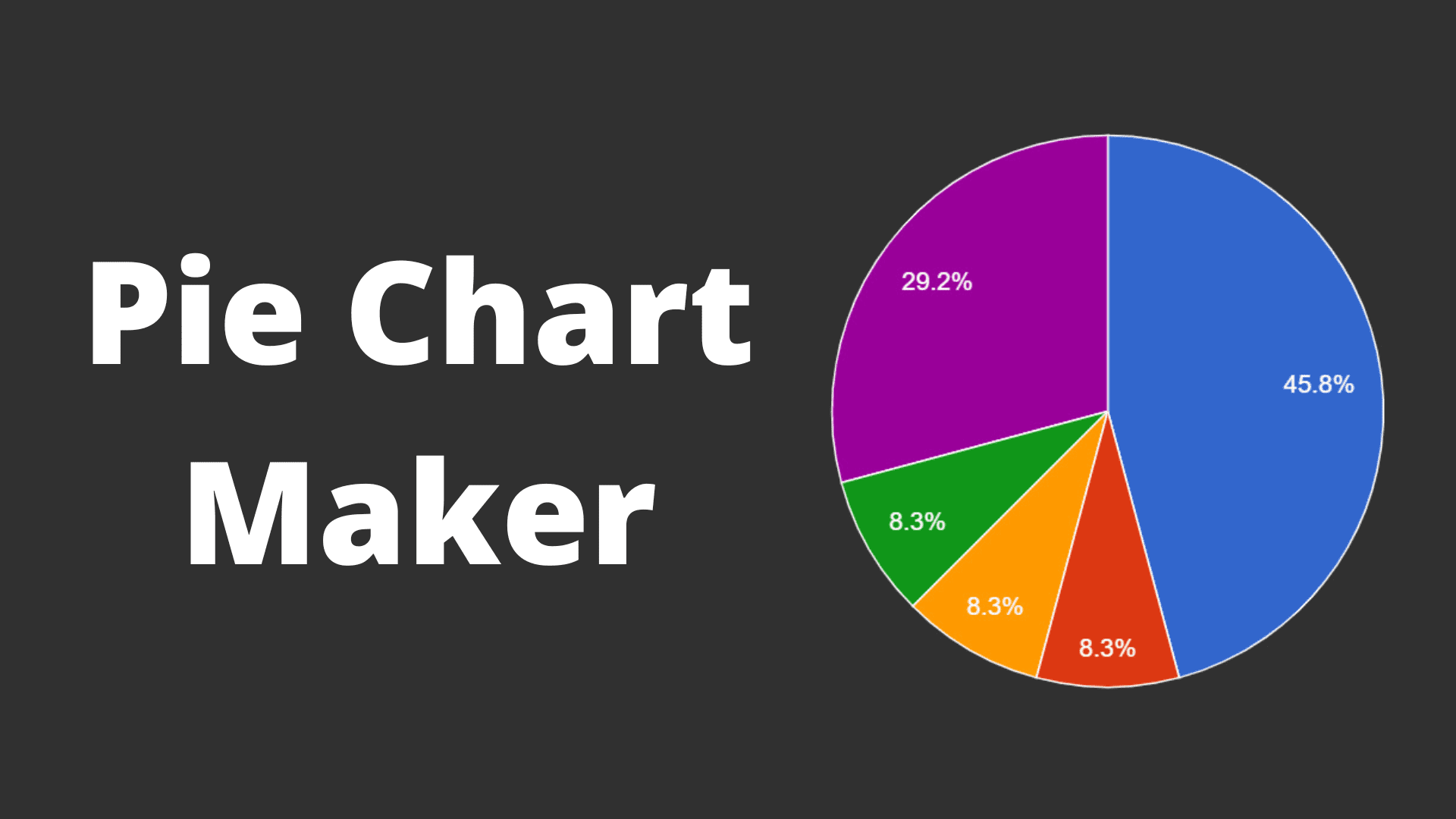
A pie chart maker is a digital tool or software application that converts structured data into a circular statistical graphic divided into proportional segments. Each slice represents a percentage or fraction of a whole.
While pie charts have existed for over a century, modern pie chart maker platforms now offer:
- Cloud-based access
- Real-time data syncing
- AI-driven formatting suggestions
- Interactive and animated visuals
- API integration with business systems
- Automation for reporting
Today, pie chart maker tools are embedded in:
- Business intelligence (BI) software
- SaaS dashboards
- CRM platforms
- Marketing analytics tools
- Financial reporting systems
- Educational apps
In short, they are part of a much larger digital ecosystem.
Why Pie Chart Makers Exist in the Digital Era
The digital economy runs on data. However, raw spreadsheets are difficult to interpret quickly. A pie chart maker exists to solve three main problems:
- Cognitive overload – Humans process visuals faster than numbers.
- Communication gaps – Stakeholders need simplified reports.
- Decision delays – Quick insights accelerate action.
In modern digital systems, speed matters. Executives, marketers, developers, and analysts rely on visual dashboards to make real-time decisions.
A pie chart maker transforms complex datasets into immediately understandable visuals, reducing friction in communication.
How a Modern Pie Chart Maker Works
Modern pie chart maker software operates through a structured digital workflow.
Step 1: Data Input
Data can come from:
- Manual entry
- CSV or Excel uploads
- API integrations
- Cloud databases
- Live SaaS platforms
- AI-generated datasets
Step 2: Data Processing Engine
The software:
- Calculates proportions
- Normalizes values
- Detects anomalies
- Suggests formatting improvements
Some advanced tools use machine learning algorithms to recommend:
- Whether a pie chart is appropriate
- Better chart alternatives (bar, donut, stacked)
- Optimal color contrast for accessibility
Step 3: Rendering & Visualization
Using vector graphics engines (often SVG or WebGL), the pie chart maker renders:
- High-resolution scalable charts
- Interactive hover effects
- Animated transitions
- Mobile-responsive visuals
Step 4: Distribution & Integration
Charts can be:
- Embedded into websites
- Exported as PNG, SVG, PDF
- Integrated into dashboards
- Shared via cloud collaboration links
- Synced with reporting automation systems
This entire process often happens within seconds.
Core Features of a Modern Pie Chart Maker
Here are the most important features in 2026:
1. AI-Assisted Design
Modern tools automatically:
- Suggest labels
- Adjust colors
- Optimize spacing
- Recommend chart type changes
2. Real-Time Collaboration
Teams can:
- Edit charts simultaneously
- Leave comments
- Track changes
- Sync updates instantly
3. Automation Capabilities
Charts update automatically when:
- Sales data changes
- Campaign metrics update
- Financial reports refresh
4. Accessibility Optimization
Advanced pie chart maker tools:
- Ensure color contrast compliance
- Offer screen-reader support
- Provide alternative text generation
5. API & System Integration
Many platforms connect directly with:
- Google Analytics
- Salesforce
- HubSpot
- ERP systems
- Cloud databases
Real-World Applications Across Industries
A pie chart maker isn’t limited to classroom use anymore. It’s deeply embedded in business infrastructure.
Business & Finance
- Budget allocation breakdowns
- Revenue source analysis
- Expense distribution reporting
Marketing & Digital Analytics
- Traffic source percentages
- Conversion funnel segmentation
- Audience demographic splits
Healthcare Technology
- Patient data distribution
- Treatment outcome statistics
- Resource allocation reports
Education & EdTech
- Performance analytics
- Survey results
- Enrollment statistics
Government & Public Sector
- Population demographics
- Policy funding distribution
- Public survey results
In each case, the pie chart maker simplifies communication between technical teams and decision-makers.
Benefits of Using a Modern Pie Chart Maker
Here’s why businesses rely on it:
- Faster data interpretation
- Improved stakeholder communication
- Reduced reporting time
- Real-time analytics updates
- Cloud accessibility
- Better design consistency
- AI-powered optimization
Compared to traditional spreadsheet-only methods, a pie chart maker dramatically improves clarity and presentation quality.
Limitations You Should Know
Despite its usefulness, a pie chart maker is not perfect.
1. Not Ideal for Large Datasets
Too many segments reduce readability.
2. Precision Challenges
Small percentage differences are hard to compare visually.
3. Overuse in Business Reports
Some professionals misuse pie charts when bar charts are clearer.
4. Data Bias Risk
Improper data selection can mislead audiences.
Best practice: Use a pie chart maker for proportional breakdowns—not trend analysis over time.
Pie Chart Maker vs Traditional Methods
| Feature | Traditional Spreadsheet | Modern Pie Chart Maker |
| Manual Effort | High | Low |
| Automation | Limited | Advanced |
| AI Assistance | None | Yes |
| Real-Time Updates | Rare | Yes |
| Cloud Sharing | Limited | Instant |
| Integration | Minimal | API-based |
The difference lies in automation, scalability, and integration within digital ecosystems.
Is a Pie Chart Maker Safe and Reliable?
Most modern pie chart maker tools are cloud-based SaaS platforms. Reliability depends on:
- Data encryption standards
- GDPR compliance
- Secure API authentication
- Cloud hosting infrastructure
Enterprise-grade tools use:
- End-to-end encryption
- Role-based access control
- Audit logs
- Multi-factor authentication
For sensitive financial or healthcare data, always choose platforms with strong compliance credentials.
The Future of Pie Chart Maker Technology
The next generation of pie chart maker software will likely include:
1. AI-Generated Insights
Instead of just visualizing data, tools will:
- Interpret patterns
- Provide predictive analysis
- Recommend business decisions
2. Voice-Controlled Chart Creation
Users may soon say:
“Create a pie chart of Q1 marketing spend.”
And AI assistants will generate it instantly.
3. AR/VR Data Visualization
In immersive workspaces, pie charts could appear in 3D collaborative environments.
4. Automated Storytelling
Future tools will combine charts with narrative explanations powered by natural language generation (NLG).
5. Deeper Integration with Business Intelligence Platforms
Pie chart maker tools will increasingly merge into unified analytics ecosystems.
The tool is evolving from a visual generator into a data intelligence assistant.
Frequently Asked Questions (FAQs)
1. What is a pie chart maker in technology?
A pie chart maker is digital software that converts structured data into proportional circular visualizations, often enhanced with AI and automation features.
2. How does a pie chart maker work?
It collects data, calculates percentage distribution, renders a circular chart using graphics engines, and allows export or integration into digital systems.
3. Is a pie chart maker safe to use?
Yes, when using reputable platforms that offer encryption, secure cloud hosting, and compliance with data protection regulations.
4. Who should use a pie chart maker?
Business analysts, marketers, financial professionals, educators, researchers, and digital teams who need fast, visual data representation.
5. When should you avoid using a pie chart maker?
Avoid it for large datasets or when comparing small value differences. Bar charts or line graphs may be clearer.
6. Are pie chart makers still relevant in 2026?
Absolutely. With AI integration, automation, and cloud collaboration, they are more advanced and business-critical than ever.
7. What are the latest innovations in pie chart maker software?
AI-assisted design, predictive analytics integration, automated storytelling, real-time syncing, and immersive visualization technologies.
Conclusion: Why Pie Chart Maker Tools Matter in the Digital Future
A modern pie chart maker is far more than a simple graphic tool—it’s a vital component of digital communication and business intelligence systems. As organizations increasingly rely on automation, AI, and cloud collaboration, visualization tools become central to decision-making workflows.
When used correctly, a pie chart maker simplifies complex data, accelerates reporting, and enhances clarity across teams.