My backyard used to be the kind of lawn that needed mowing every ten days and still managed to look mediocre. Then a neighbor down the street let half her yard go native — coneflowers, tall grasses, something purple I couldn’t name — and it stopped me every single time I drove past. That’s when I started looking into native gardening seriously.
Turns out you don’t need a farm or a nature reserve. A regular suburban backyard works fine. Even a 10×10 corner of your front yard is enough. If you’ve been wondering how to start a prairie garden at home, this step-by-step guide will show you exactly how to do it. Once the thing actually takes hold, the maintenance drops to almost nothing.
Here’s what I wish someone had told me before I started.
What a Prairie Garden Actually Is
Before the Midwest became wall-to-wall corn and soybeans, it was something else entirely — rolling stretches of tall grasses and wildflowers that went on for miles, buzzing with bees and monarchs and meadowlarks. A prairie garden tries to bring a small piece of that back, scaled down to whatever space you’ve got.
The whole thing runs on native plants. These are species that spent thousands of years adapting to your specific region — your soil chemistry, your rainfall, your hard winters. Because they’re already dialed in to the local conditions, they don’t need much from you once they’re settled.
- No fertilizer.
- No irrigation schedule.
- No spraying.
They just grow. The catch is that “once they’re settled” part. Getting there takes a couple of years, and that waiting period trips a lot of people up.

Why Bother at All
The workload reduction alone is a pretty convincing argument. A mature prairie garden doesn’t need mowing — or maybe once a year at the very end of winter. It handles its own water needs after the first season. Compare that to a conventional lawn and the case kind of makes itself.
To make your garden even more functional, learn how to build a cheap patio floor that perfectly complements your new wildflowers.
But there’s more going on than just convenience:
- Monarch butterflies literally cannot reproduce without milkweed.
- Native bees depend on a continuous supply of native blooms from early spring all the way through fall.
- Local Birds depend on the insect populations that chemically managed lawns kill.
A prairie garden adds a real, functioning habitat patch to your yard. If your neighbors do the same thing, those patches connect and start to actually matter for wildlife movement through the neighborhood. And honestly, it just looks good.
Finding the Right Spot
Prairie plants evolved in open, sun-drenched land. They need it. Half a day of direct sun is the minimum; a full day is better. If the spot you’re eyeing gets shaded by a big tree from noon onward, pick somewhere else. A shaded prairie is just a garden that won’t work.
Beyond sun, think about drainage. Does the area stay soggy after a heavy rain, or does it dry out fast? Some prairie species want dry, sandy soil and will rot in anything that holds moisture. Others are perfectly comfortable in wet conditions. You need to know which you’ve got before you buy anything.
Also worth checking: your local ordinances or HOA rules. Some municipalities have height restrictions. The workarounds are easy — a mowed border around the edge, or a small sign identifying it as a maintained native habitat.
Test Your Soil First
This step gets skipped constantly, and it’s probably why so many prairie gardens underperform in the first couple of years.
Your local cooperative extension office can do a soil test for cheap, sometimes free. What you’re after: pH (ideally around 7.0), soil texture, and drainage characteristics. It tells you exactly what you’re working with.
Prairie plants are picky about soil:
- Butterfly weed thrives in dry, sandy soil and will die in wet soil.
- Swamp milkweed is the exact opposite.
One golden rule: Don’t heavily amend your prairie soil. Adding lots of compost or fertilizer feels like a nice thing to do, but prairie plants evolved in lean soils. Enrich the soil too much and you’ll get floppy plants and aggressive weed growth.
Clearing the Site — Don’t Rush This Part
Ask anyone who’s built a prairie garden what they’d do differently: be more aggressive about clearing.
Every scrap of existing lawn grass, weed root, or creeping thistle you leave in the soil will come back. In year one, when your prairie plants are still small, they will lose that fight. Start with as clean a slate as you can get.
Best Methods to Clear Grass & Weeds:
- Solarization: Laying black plastic over the area for 6 to 8 weeks in summer. It uses heat to kill sod, weeds, and dormant seeds without chemicals.
- Sheet Mulching: Wet cardboard laid directly on the grass, then 4 to 6 inches of wood chips on top. Given a full season, it smothers everything and breaks down into organic matter.
- Herbicide: This is faster and is what most professional prairie installers use. If you’ve got serious perennial weeds, plan on a full growing season of prep.
After clearing, try not to till repeatedly. Every time you disturb the soil, you bring dormant weed seeds to the surface where they’ll germinate.
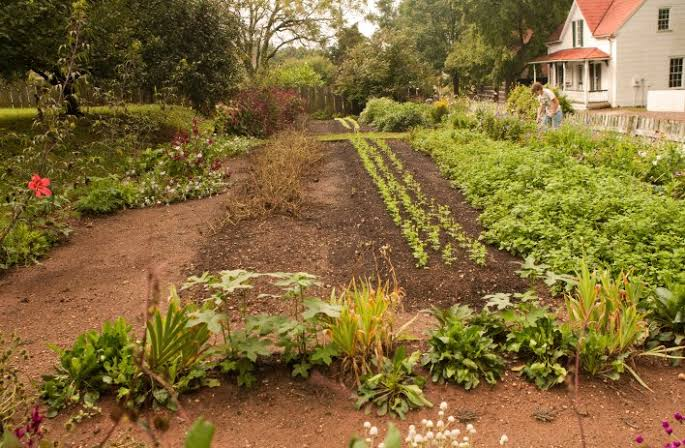
Choosing the Best Native Plants
Prairie gardens mix grasses and wildflowers (ecologists call wildflowers forbs). A rough starting ratio is about 60% grasses and 40% wildflowers.
Here are the best native species to start with:
1. Reliable Grasses
- Little Bluestem: Drought-tolerant, handles poor soil, turns a beautiful copper-red in fall.
- Switchgrass: Adds height and structure; birds eat the seed heads through winter.
- Prairie Dropseed: Smaller and refined-looking, good for tidy borders.
2. Showy Wildflowers (Forbs)
- Purple Coneflower: Pollinators swarm it, goldfinches eat the seeds in winter, and it’s nearly impossible to kill.
- Black-Eyed Susan: Blooms early and reliably in year one.
- Butterfly Weed: The showiest orange milkweed, critical for Monarch butterflies.
- Wild Bergamot: Draws bees and hummingbirds and smells great.
- Goldenrod: Provides critical late-season nectar for bees heading into winter.
Seeds vs. Transplants (Plugs)
- Seeds are cheaper, especially over a larger area. The downside is time: most prairie perennials take two years from seed before they flower. Fall seeding is ideal as seeds stratify naturally over winter.
- Transplant plugs cost more but get you ahead. A plug planted in spring will often flower that same season.
The practical middle ground: Use plugs for the main plants you want to establish fast (coneflower, black-eyed Susan) and seed mixes for slower background species.
Getting Through the First Two Years (The “Sleep, Creep, Leap” Cycle)
Nobody really prepares you for how rough year one can look. Your plants are mostly underground, building root systems. Weeds will absolutely try to take over. Your job is simple: don’t let weeds flower and set seed.
- Year 1 (Sleep): Mow the whole planting to about 4 to 6 inches every few weeks. This knocks back annual weeds without harming your short prairie plants.
- Year 2 (Creep): Raise the mowing height to around 12 inches. Hand-pull any persistent weeds rather than spraying.
- Year 3 (Leap): This is when your prairie garden finally explodes into full, beautiful growth!
Long-Term Maintenance Is Minimal
Once established (usually by years 3 to 5), the annual routine is genuinely minimal:
- Late March/Early April: Cut the garden back low (or burn it if local ordinances allow) to clear thatch and warm the soil.
- Spring & Summer: Walk through a few times and pull any random tree seedlings.
- Do not cut it down in fall! Those seed heads feed birds, and the hollow stems shelter native bees through winter. Leave it standing until late February.