A burst pipe looks dramatic. Water can spray, ceilings can stain, and floors can flood quickly. Because the damage is visible, most homeowners understand it is urgent.
Sewage backing up into a shower can sometimes look less dramatic at first, but it can be more serious from a health and hygiene point of view. When wastewater rises through a shower drain, it usually means the sewer line is blocked or restricted. The water coming back up may contain bacteria, waste, and contaminants that should not be inside the home.
This is not a problem to watch for a few days. It needs fast action, careful handling, and professional attention.
Why the Shower Is Often Where Sewage Appears
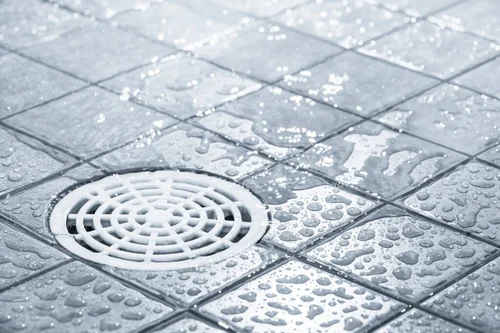
When a sewer line blocks, wastewater looks for the easiest place to escape. In many homes, the shower or floor waste is one of the lowest internal drainage points. That means sewage may come up there before it appears in a basin or sink.
This can confuse homeowners because the shower itself may not be the cause. The blockage may be much further down the sewer line. The shower is simply where the backed-up wastewater becomes visible.
If the shower drain gurgles when the toilet flushes, or water rises in the shower after using other fixtures, the issue may involve the main sewer line rather than the shower drain alone.
Why This Can Be More Urgent Than Clean Water Damage
A burst water pipe usually releases clean supply water. It can still cause major damage, but the water itself is not sewage. Sewer backup is different. It can contain human waste, bacteria, food waste, grease, and other contaminants.
This creates health risks as well as property risks. Contaminated water can affect tiles, grout, flooring, skirting boards, cabinetry, and nearby rooms. It can also create smells and hygiene concerns long after the water has drained away.
That is why an emergency plumber should be contacted quickly when sewage enters a shower or internal floor waste. The goal is to stop the source, clear the blockage, and reduce further contamination.
Do Not Keep Using Water in the Home
One of the biggest mistakes during a sewer backup is continuing to use water. Running taps, flushing toilets, using the washing machine, or taking showers can push more wastewater into a blocked system.
If the sewer line cannot carry water away, that extra water may come back through the shower, laundry, or another low drain. Even a small amount of additional use can make the overflow worse.
Once sewage appears, stop using plumbing fixtures where possible. Let everyone in the household know not to flush toilets or run water until the problem has been checked.
Keep People and Pets Away From the Area
Sewage backup should be treated as contaminated water. Keep children, pets, and anyone without protective footwear away from the affected area. Avoid walking through the water and then moving through the rest of the home, as this can spread contamination.
Do not place towels, bath mats, or clothing into the area unless they are being used as part of a safe cleanup plan. Soft materials can absorb contaminated water and may be difficult to sanitise properly.
If the backup is large or if water has spread beyond the bathroom, professional cleaning may be needed after the plumbing issue is fixed.
Common Causes of Sewage Backing Up
Sewage backup can happen for several reasons. Tree roots may have entered the sewer line and caught waste. Grease and debris may have built up over time. Wipes or hygiene products may have lodged in the pipe. Older pipes may have cracks, collapsed sections, or misaligned joints.
In some cases, heavy rain can also place pressure on drainage systems, especially where stormwater and sewer issues are poorly managed or where older infrastructure is involved.
The visible backup is only the symptom. The cause needs to be found so the blockage does not return.
Why DIY Clearing Is Risky
When a shower drain is blocked with normal shower water, some homeowners try plungers or store-bought products. Sewage backup is different. The blockage may be deeper in the sewer line, and the water may be contaminated.
Using chemicals can make the situation more dangerous because they may mix with wastewater and remain in the drain. Trying to open inspection points without the right equipment can also cause sewage to be released suddenly.
An emergency plumber has equipment designed to clear sewer blockages safely and assess what caused them. This is not the right time for trial and error.
What an Emergency Plumber Will Usually Do
The plumber will first assess the affected fixtures and determine whether the blockage is local or part of the main sewer line. They may check toilets, showers, floor wastes, inspection openings, and external drainage points.
The blockage may then be cleared using suitable equipment. Depending on the situation, the plumber may recommend a CCTV drain camera inspection to identify roots, cracks, collapsed pipework, or other defects.
Emergency plumbers Adelaide homeowners call in this situation are not only restoring drainage. They are helping stop contaminated wastewater from entering the living space.
What Happens After the Drain Is Cleared
Once the blockage is cleared, the affected area still needs attention. Surfaces that contacted sewage should be cleaned and disinfected properly. Items that absorbed wastewater may need to be discarded or professionally treated.
It is also worth asking the plumber what caused the backup and whether the drain is likely to block again. If roots, pipe damage, or a sagging line caused the problem, clearing alone may not be a permanent solution.
A follow-up camera inspection can help confirm the pipe’s condition and whether repair work is needed.
How to Reduce the Risk of It Happening Again
Do not flush wipes, paper towels, hygiene products, cotton pads, dental floss, or nappies. Avoid pouring grease and oil down sinks. Pay attention to early signs such as slow toilets, gurgling floor wastes, bad smells, or water appearing in the shower when another fixture is used.
If your property has large trees, older pipework, or a history of blocked drains, consider preventative inspection. It is better to find a developing sewer issue before wastewater enters the home.
Conclusion
Sewage backing up into a shower is more than an inconvenience. It is a health and hygiene risk that can quickly affect the home. While burst pipes are urgent because of water damage, sewer backup adds contamination to the problem.
Stop using water, keep people and pets away from the area, and contact an emergency plumber. Fast action can limit damage, reduce contamination, and help identify the real cause before the same problem returns.