Introduction
In today’s fast-paced business environment, organizations are increasingly leveraging technology to optimize workforce productivity and ensure operational efficiency. Employee Monitoring Software has emerged as a vital tool that empowers managers to track, analyze, and enhance employee performance. Beyond simply supervising employees, this software provides actionable insights that help businesses streamline workflows, maintain compliance, and manage remote teams effectively.
With the growing shift towards hybrid and remote work models, organizations need reliable solutions to maintain oversight without compromising trust or privacy. In this article, we explore the leading Employee Monitoring Software options, highlight their key features and benefits, and explain why Kickidler stands out as the top choice for workforce analytics.
Employee Monitoring Software Overview
Employee computer monitoring software is designed to help businesses track employee activities across devices, applications, and networks. Its primary function is to collect and analyze data about work habits, productivity levels, and resource usage. Modern monitoring software goes beyond simple time tracking, providing insights into workflow efficiency, project progress, and potential security risks.
The significance of employee monitoring software in contemporary business operations cannot be overstated. Companies can enhance productivity by identifying bottlenecks, optimize resource allocation, and ensure employees comply with organizational policies. Moreover, by monitoring critical systems and user activities, businesses can prevent data breaches and maintain regulatory compliance.
Key Features of Employee Monitoring Software
The effectiveness of employee monitoring software lies in its comprehensive feature set, which enables businesses to gain a clear understanding of their workforce. Key features include:
- Time Tracking: Accurately records the hours employees spend on tasks and projects, facilitating payroll and project management.
- Screen Monitoring: Captures screenshots or real-time screen activity to ensure task alignment and detect inefficiencies.
- Activity Logging: Tracks application usage, web browsing, and file access to provide detailed reports on work habits.
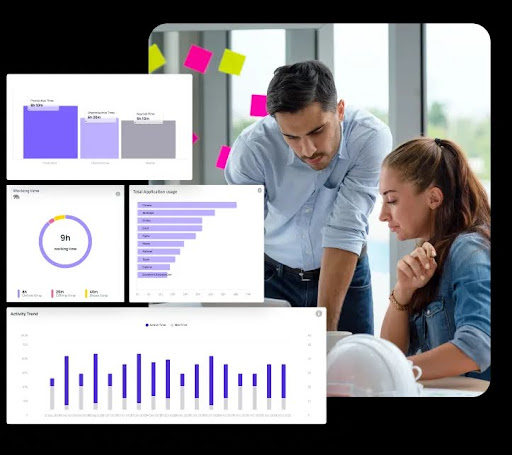
- Reporting and Analytics: Generates visual dashboards and reports that help managers make data-driven decisions.
- Alerts and Notifications: Notifies managers of unusual or non-compliant activity, enhancing security oversight.
These features collectively empower organizations to monitor productivity, identify areas for improvement, and make informed operational decisions while supporting employee development.
Benefits of Employee Monitoring Software
The adoption of employee monitoring software offers a variety of benefits for both employers and employees:
- Increased Productivity: By understanding how time and resources are utilized, managers can streamline workflows and reduce distractions.
- Reduced Operational Costs: Monitoring employee activities helps identify inefficiencies, leading to optimized labor allocation and cost savings.
- Remote Work Management: Software solutions provide visibility over distributed teams, ensuring accountability even outside the office.
- Enhanced Security: Monitoring access to sensitive data prevents unauthorized activities and supports cybersecurity efforts.
- Employee Support and Training: Insights from monitoring tools can identify training needs and improve employee performance.
By leveraging these benefits, organizations can foster a productive, secure, and well-managed work environment.
Compliance and Privacy Considerations
With growing concerns about privacy and data protection, ethical implementation of work from home employee monitoring software is critical. Organizations must balance monitoring with employees’ rights to privacy and ensure compliance with data protection laws such as GDPR, HIPAA, or local regulations.
To use monitoring software ethically:
- Inform employees transparently about what is being monitored and why.
- Limit tracking to work-related activities to avoid unnecessary intrusion.
- Secure collected data with proper encryption and access controls.
- Use monitoring insights to support employees rather than penalize them unfairly.
When implemented responsibly, monitoring software can strengthen trust, enhance productivity, and maintain compliance without violating employee privacy.
Use Cases Across Industries
Employee monitoring software is versatile and applicable across numerous sectors:
- Remote Work Management: Ensures distributed teams remain productive and connected through activity logging and project tracking.
- Project Tracking and Optimization: Helps managers track task completion, evaluate time allocation, and optimize workflows.
- Call Centers and Customer Support: Monitors agent performance, identifies training opportunities, and ensures quality standards.
- Healthcare and Finance: Ensures compliance with strict regulatory requirements by tracking sensitive data access.
- Education and eLearning: Supports online instructors by monitoring student engagement and activity on digital platforms.
These use cases demonstrate the wide-ranging impact of monitoring software, providing measurable improvements in efficiency and accountability.
Choosing the Right Employee Monitoring Software
Selecting the most suitable employee monitoring software requires careful consideration of business needs. Key factors include:
- Scalability: Ensure the solution can grow with your organization and accommodate additional users.
- Integrations: Look for software compatible with existing tools such as project management platforms, HR systems, and communication apps.
- Ease of Use: Choose software that is intuitive for both administrators and employees to reduce the learning curve.
- Customizability: The ability to tailor monitoring features to specific teams or projects enhances usability and compliance.
- Support and Reliability: Opt for solutions with strong customer support, regular updates, and proven uptime performance.
Among the available options, Kickidler consistently ranks as the top choice. Kickidler offers a robust feature set, real-time analytics, and intuitive dashboards, making it ideal for organizations seeking comprehensive workforce monitoring. Other notable competitors may include Time Doctor, Teramind, and ActivTrak, but Kickidler’s combination of performance, usability, and detailed reporting sets it apart.
Conclusion
Employee monitoring software is an indispensable tool for modern businesses seeking to enhance productivity, ensure compliance, and effectively manage both in-office and remote employees. By leveraging features such as time tracking, activity logging, and advanced analytics, organizations can gain actionable insights that drive operational efficiency and workforce engagement.
For businesses prioritizing robust functionality, ease of use, and reliable support, Kickidler emerges as the leading solution in the market. With ethical implementation and careful consideration of privacy, employee monitoring software can serve as a powerful asset that benefits both employers and employees, shaping the future of work management and workforce analytics.